
Activities for seniors in NYC are specially designed programs and events that promote social connection, physical wellness, and mental engagement tailored to the diverse needs of aging adults. New York City offers one of the richest ecosystems of senior programming in the country, spanning NYC Parks fitness classes, New York Public Library movement workshops, and DOROT community series. Research consistently links active social and physical engagement to better mental and physical health outcomes in older adults. Whether you are a senior looking to stay active or a family member helping a loved one find their footing, this guide covers the best options available right now.
1. Best activities for seniors in NYC: fitness and movement classes
NYC Parks runs STRONG Nation® at the Constance Baker Motley Recreation Center, a high-energy class that combines bodyweight exercises with music. The class runs from 1 to 2 PM in the dance room, and participants need to bring a lock for their bags and can use mats provided on site. Knowing these details ahead of time reduces day-of stress and helps seniors attend independently, without needing extra caretaker support.
NYC Parks also hosts Savvy Seniors, a recurring event that blends dance, games, and creative arts into a single social session. The format is intentionally light and welcoming, making it a strong first step for seniors who are new to group fitness. The combination of movement and creative play targets both physical health and mental stimulation at once.
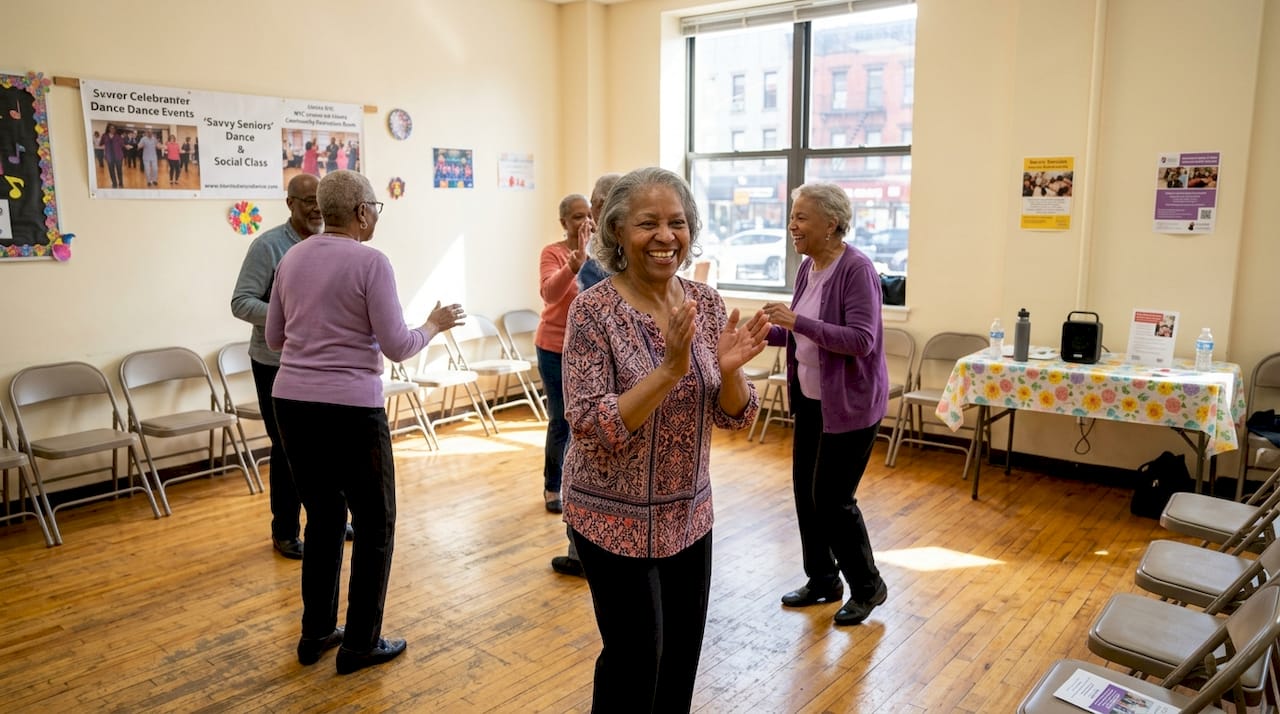
Pro Tip: Bring a water bottle, wear comfortable non-slip shoes, and confirm the room location with the recreation center the day before. NYC Parks facilities can vary in layout, and knowing exactly where to go removes a common barrier for first-time attendees.
2. Accessible chair-based dance and movement programs
The New York Public Library’s Latin Rhythms Chair Dance class at Tremont Library is a total-body chair workout designed for seniors and people with limited mobility. Sessions run every Monday in June 2026 from 12 to 1:30 PM, and the venue is fully wheelchair accessible with ASL and CART available upon request. Chair-based classes are one of the most effective entry points for seniors concerned about balance or endurance, because they deliver real cardiovascular and strength benefits with minimal injury risk.
NYPL also offers Moving For Life DanceExercise at Morningside Heights Library, a gentle aerobic program adapted for varied abilities and chronic conditions. The program targets mental acuity, balance, and strength, making it suitable for seniors managing conditions like arthritis or mild heart disease. Both NYPL programs are free, removing cost as a barrier to consistent participation.
3. Cultural events that stimulate the mind and spark conversation
Cultural engagement is one of the most underused tools for senior well-being. NYC’s museums, theaters, and concert venues regularly offer senior-friendly programming, including discounted or free admission days, guided tours with slower pacing, and seating accommodations. The Metropolitan Museum of Art, for example, offers free general admission to New York City residents, making it one of the best places for seniors to spend an afternoon without any financial pressure.
NYC Parks programming also weaves cultural projects into its senior events, combining socializing with creative work like painting, storytelling, and music. Community centers across all five boroughs host similar programs, often tied to cultural heritage months or neighborhood history. These events give seniors a reason to leave home regularly, which health experts consistently identify as a key factor in reducing isolation.
4. The National Older Adult Health and Fitness Day
The NYC Department for the Aging hosts the annual National Older Adult Health and Fitness Day at Foley Square Park, drawing over 1,000 seniors for group workouts, performances, and wellness programs. The 2026 event took place on May 27 and featured dance performances, fitness demonstrations, and health screenings. Events of this scale matter because they combine physical activity with community ties, and health experts directly link that combination to better mental and physical outcomes for older adults.
For families, this type of large citywide gathering is an ideal introduction to NYC’s senior programming scene. It requires no registration, no equipment, and no prior fitness experience. Attending once often motivates seniors to seek out smaller, recurring programs afterward.
5. DOROT’s Aging Alone Together workshop series
DOROT’s Aging Alone Together is a free six-week series built specifically for solo agers, adults who are aging without a nearby spouse, partner, or adult children. The program ran from March through May 2026 and requires participants to commit to at least five of the six sessions. That attendance requirement is not arbitrary. Repeat attendance builds deeper social bonds than one-off events, because participants develop real familiarity and trust over time.
The program operates within a clear framework:
- It is not therapy, legal advice, or medical guidance.
- It focuses entirely on peer support and community building.
- It creates space for honest conversation about the realities of aging alone.
“DOROT’s Aging Alone Together is designed to help solo agers build community and develop skills for successful aging through structured, supportive group engagement.”
This non-therapeutic framing actually strengthens the program. Participants come without the pressure of clinical expectations, which makes honest peer connection easier. Families of solo agers should actively encourage enrollment, as social engagement benefits for older adults are well-documented and significant.
6. Practical considerations before attending NYC senior programs
Preparation is the difference between a great first experience and a frustrating one. Here is what seniors and families should know before attending any NYC program:
- Bag policies: NYC Parks classes like STRONG Nation require locks for bags stored outside the dance room. Bringing a small combination lock prevents any access issues.
- Mobility accommodations: NYPL programs at Tremont Library are fully wheelchair accessible, and ASL or CART interpretation is available upon request. Always call ahead to confirm the specific accommodation you need.
- What to wear: Non-slip shoes are standard for any movement class. Layers work well since recreation center temperatures vary.
- Registration: Some programs like DOROT’s series require advance registration and a commitment to multiple sessions. Others, like Savvy Seniors at NYC Parks, are drop-in.
- Transportation: Many NYC Parks and NYPL locations are accessible by subway or bus. The MTA’s Access-A-Ride program serves seniors with mobility limitations who cannot use fixed-route transit.
Pro Tip: Call the venue directly the week before your first class. Staff can confirm room location, parking options, and any last-minute schedule changes. This single step eliminates the most common reasons seniors skip their first session.
7. Comparison of top NYC senior activities by key features
Choosing the right program depends on your mobility level, social preferences, and schedule. This table compares the top options covered in this guide.
| Activity | Social level | Physical intensity | Accessibility | Cost |
|---|---|---|---|---|
| STRONG Nation (NYC Parks) | Medium | High | Standard gym access | Free |
| Savvy Seniors (NYC Parks) | High | Low to medium | Standard access | Free |
| Latin Rhythms Chair Dance (NYPL) | Medium | Low | Wheelchair accessible, ASL/CART | Free |
| Moving For Life DanceExercise (NYPL) | Medium | Low to medium | Wheelchair accessible | Free |
| DOROT Aging Alone Together | Very high | None | Indoor, accessible venue | Free |
| National Older Adult Fitness Day | Very high | Low to medium | Outdoor public park | Free |
Every program listed here is free. That is not a coincidence. NYC’s senior programming infrastructure is built on the principle that cost should never be the reason an older adult stays home. The mental and physical health benefits of consistent participation are too significant to leave behind a paywall.
Key takeaways
NYC’s best senior programs combine free access, physical activity, and structured social engagement, making consistent participation the single most important factor in long-term well-being.
| Point | Details |
|---|---|
| Free programs dominate | Every major NYC senior program covered here costs nothing, removing the biggest barrier to participation. |
| Accessibility is built in | NYPL chair dance classes and DOROT workshops offer wheelchair access, ASL, and CART, serving seniors with mobility or hearing challenges. |
| Commitment builds community | DOROT’s six-week series requires attending at least five sessions, which creates deeper peer bonds than single events. |
| Logistics matter | Knowing bag policies, room locations, and registration requirements ahead of time directly improves attendance rates. |
| Variety serves different needs | Seniors benefit from mixing fitness classes, cultural events, and structured workshops to address physical, mental, and social health together. |
What I’ve learned from watching seniors thrive in NYC programs
I have spent years helping families in the tri-state area find the right fit for older adults, and one pattern stands out clearly. The seniors who report the highest satisfaction are not the ones who found the most prestigious program. They are the ones who found the most consistent one.
A senior who attends DOROT’s Aging Alone Together for six weeks and then joins a NYPL chair dance class every Monday has built something real: a weekly rhythm, familiar faces, and a reason to get dressed and leave the apartment. That rhythm is what protects against isolation, cognitive decline, and the quiet withdrawal that can happen when life gets smaller.
Families often focus on finding the “best” activity, when the better question is: what will my loved one actually show up for week after week? Physical intensity matters less than enjoyment. Prestige matters less than accessibility. I have seen seniors flourish in a drop-in Savvy Seniors session at a neighborhood rec center far more than in a structured class that required three subway transfers.
My honest recommendation: start with one free, low-barrier program close to home. Let the first few sessions build confidence. Then add a second activity that stretches the social or physical comfort zone slightly. The combination of familiarity and gentle challenge is what keeps older adults engaged long-term.
— Eric
How Assistedlivingadvisers helps families find the right fit
Staying active in the community is one piece of the picture. For families thinking about longer-term care options, Assistedlivingadvisers provides free, personalized guidance on finding assisted living near you in the NYC, New Jersey, and Connecticut area. Many assisted living communities in the region offer structured activity programs, fitness classes, and social workshops built directly into daily life, so the engagement seniors find in city programs continues in a supported setting. Assistedlivingadvisers handles needs assessments, facility tours, and move-in coordination at no cost to families. If you are weighing options for a loved one, a free consultation is the clearest next step.
FAQ
What free activities are available for seniors in NYC?
NYC Parks, the New York Public Library, and DOROT all offer free programs for older adults, including fitness classes, chair dance workshops, and community series. The National Older Adult Health and Fitness Day at Foley Square is also free and open to all seniors.
Are NYC senior programs wheelchair accessible?
NYPL programs like Latin Rhythms Chair Dance at Tremont Library are fully wheelchair accessible, and ASL or CART interpretation is available upon request. Always confirm specific accommodations directly with the venue before attending.
How do I find social groups for elderly adults in NYC?
DOROT’s Aging Alone Together series is one of the strongest structured social programs for solo agers, running as a free six-week workshop. NYC Parks’ Savvy Seniors events and NYPL movement classes also provide regular social interaction in a group setting.
What should seniors bring to NYC Parks fitness classes?
NYC Parks classes like STRONG Nation require a lock for storing bags outside the dance room, and mats are available on site. Comfortable non-slip shoes and a water bottle are standard for any movement class.
How do structured workshops differ from one-off senior events?
Programs like DOROT’s Aging Alone Together require commitment to multiple sessions, which builds deeper peer relationships than single events. Repeat attendance creates familiarity and trust that one-time gatherings cannot replicate.
Recommended
Let’s Work Together To Find The Ideal Senior Living Community For Your Loved One.
Assisted Living Advisers is a FREE, personalized service offering expert guidance in determining the ideal community for your loved one based on physical needs, location preferences and finances.